

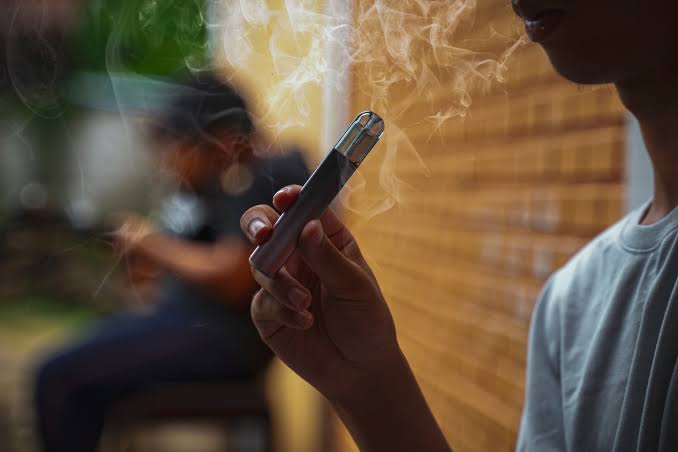
Nicotine has incredible timing.
It shows up right when you are stressed.
Before an exam.
After an argument.
During the six-minute break between class and work.
At 1:30 a.m. when the paper still has two pages to go.
A hit feels like a pause button.
That feeling is real.
The explanation is more complicated.
Some of the “relief” may be withdrawal ending
Nicotine is addictive. With repeated use, the brain adapts to having it around.
When nicotine levels drop, withdrawal can include irritability, restlessness, anxiety, trouble concentrating, sleep problems and strong cravings.
Then you vape.
The withdrawal eases.
It can feel like nicotine fixed your stress when part of what it fixed was stress created by nicotine withdrawal.
That loop is one reason nicotine dependence can become woven into an entire day.
College is almost perfectly designed for the loop
Unpredictable schedules.
Deadlines.
Social pressure.
Jobs.
Long study sessions.
Poor sleep.
Easy access.
A device that fits in a pocket and can deliver nicotine in seconds is very good at attaching itself to those transitions.
Study break means vape.
Walking to class means vape.
Stressful email means vape.
Eventually the behavior becomes less like a decision and more like punctuation.
Do not confuse a coping tool with the only coping tool
If vaping is currently your fastest way to regulate stress, quitting may briefly make stress feel worse.
That does not mean quitting was a mistake.
It means you may need to build other ways to handle the moments nicotine occupied.
Walk outside.
Drink something cold.
Call someone.
Change locations.
Use a short breathing exercise.
Move your body.
Get actual sleep, which is irritatingly effective and still not optional during finals.
Quitting does not have to be a personality test
If you have tried to quit and returned to vaping, that is not evidence that you lack discipline.
Nicotine dependence is an addiction.
CDC recommends making a quit plan and using support such as healthcare providers and quit coaching. Withdrawal is temporary, even when it feels extremely persuasive in the moment.
You can also start by noticing the pattern before deciding what you want to do with it.
Which situations trigger the strongest cravings?
How long can you go without vaping?
What happens to your mood and concentration?
How much money are you spending?
Does the device feel optional?
The goal is not to shame yourself for having a coping strategy.
It is also worth noticing whether the habit has narrowed the places where you feel comfortable, the people you can be around, or the amount of time you can go without thinking about the next hit.
It is to notice when the coping strategy has started creating the discomfort it promises to solve.