

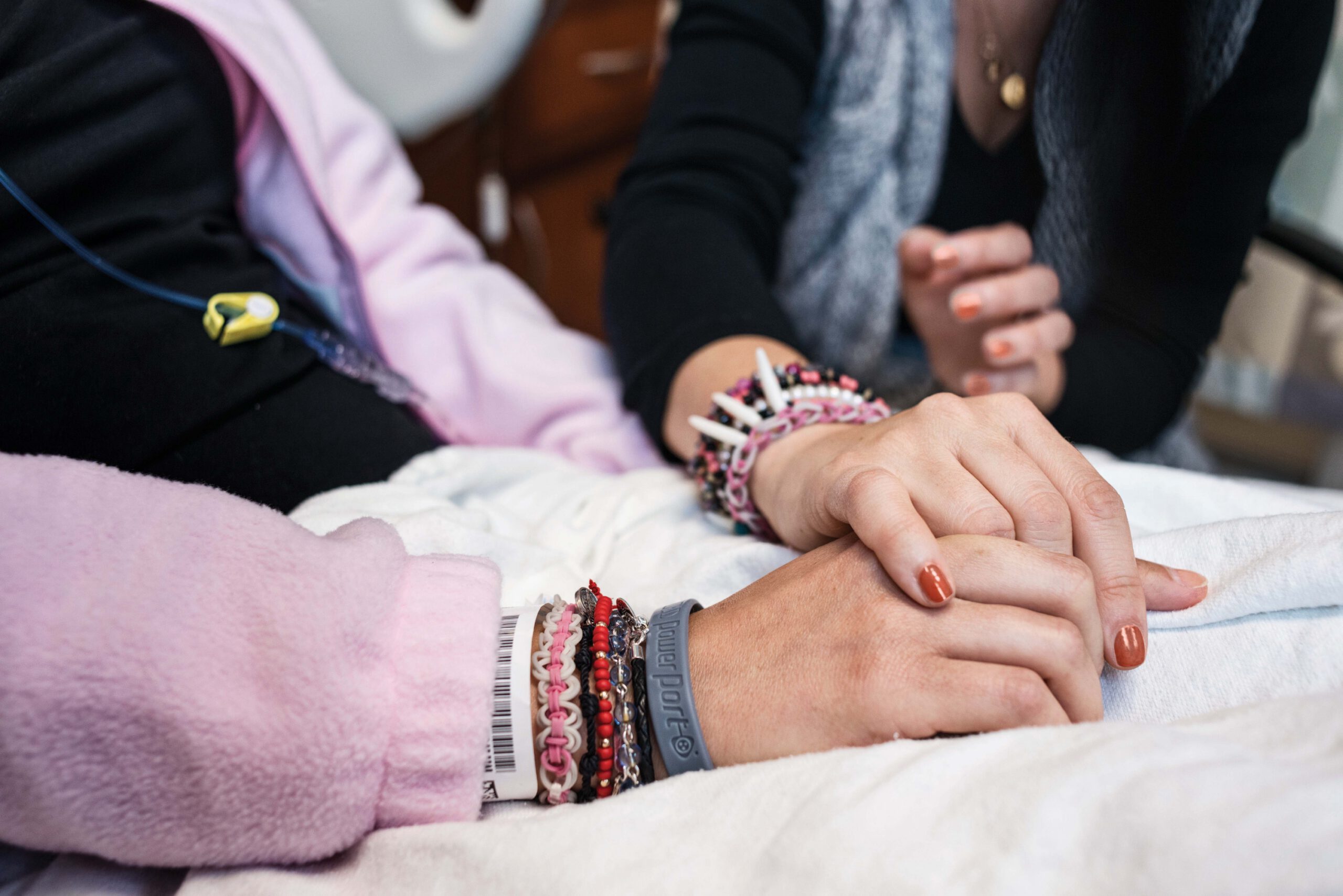
A friend’s mental health hospitalization can leave everyone around them unsure what to do next. You may be relieved they got help, scared by what happened, angry that you did not know, worried about saying the wrong thing or tempted to watch them so closely that neither of you can breathe.
The period after hospitalization matters, but friendship is not a discharge plan.
Start by treating them like a person, not an incident
You do not need to open with a detailed investigation. Try something simple: “I’m glad you’re here. How do you want me to support you?” Let them decide what they want to share.
They may want to talk. They may be tired of talking. They may feel embarrassed, relieved, numb or overwhelmed by the practical work of returning to classes. Respecting privacy does not mean ignoring safety; it means not making curiosity the center of the reunion.
Ask what would actually help this week
Support can be ordinary. Walk to class together. Bring food. Help send an email. Sit with them while they organize assignments. Invite them somewhere low-pressure. Ask whether they want company at the campus counseling center.
Do not assume what recovery is supposed to look like. A person may still be struggling after hospitalization. Treatment may continue through therapy, medication management, intensive outpatient care or other follow-up. Improvement is not always dramatic or linear.
Know the difference between support and monitoring
Your friend deserves relationships that are not entirely about risk. At the same time, if they tell you they are thinking about suicide or you notice serious warning signs, take it seriously. NIMH recommends asking directly about suicide, being present, helping keep the person safe, helping them connect with qualified support and following up.
That may include the suicide and suicidal thoughts resources available through Project Semicolon, 988, campus crisis services or emergency care when there is immediate danger.
Do not agree to be the only person who knows
A common fear is that involving someone else will destroy trust. But 988 guidance is clear that you should not keep a suicide plan secret. Safety needs backup.
Checking on a friend without becoming their crisis plan means being caring and direct while keeping qualified support in the circle.
Expect campus life to make recovery inconvenient
Classes, attendance rules, roommates, jobs and financial pressures do not politely disappear because someone had a health crisis. Your friend may need academic accommodations, communication with instructors or help understanding campus policies. You can support them while letting the appropriate offices handle decisions you cannot make for them.
Pay attention to your own reaction too
If you were present during the crisis, found out suddenly or spent days afraid your friend might die, you may be carrying more than you realize. Supporting someone after hospitalization can bring anxiety, guilt, anger and hypervigilance.
Talk to somebody you trust. Use counseling if you need it. Caring about your friend does not require pretending the experience had no effect on you.
Keep showing up beyond the dramatic part
After the first week, other people may stop asking. That is often when ordinary friendship matters most. Send the meme. Invite them to lunch. Ask about the exam and the treatment appointment. Let them have good days without treating happiness as proof that everything is fixed.
You are not responsible for making recovery happen. You can be one steady part of a larger support system, which is both more realistic and more loving than trying to become the whole thing.