

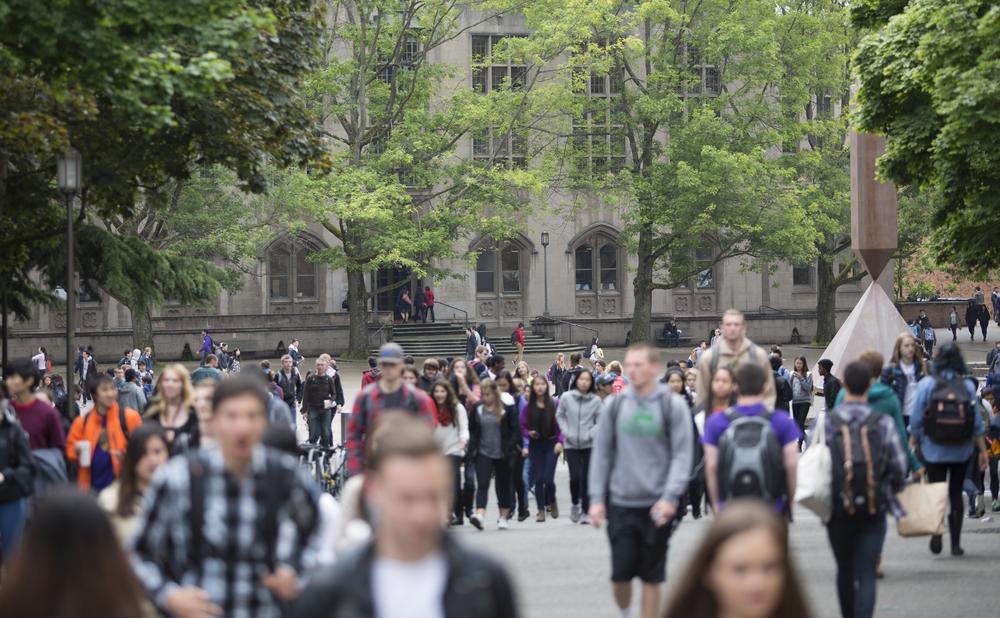
College is a bizarre place to be lonely.
There are people everywhere.
Hallways, dining halls, classrooms, residence halls, libraries, buses, clubs, parties, gyms, sidewalks.
You can go an entire day without being physically alone and still reach your room feeling like nobody really knows you.
That contradiction makes loneliness harder to admit.
Being around people is not the same as being connected to them
You can have classmates and no one to call.
You can have roommates and feel unknown.
You can know fifty people well enough to say hello and not know one person well enough to say, “I’m having a terrible week.”
Connection is not a headcount.
It is the feeling that there are relationships where your presence matters and your absence would be noticed.
College friendships can look faster than they actually are
The first weeks create intense social pressure.
People travel in groups before they have learned each other’s middle names. Photos appear. Inside jokes develop at alarming speed.
If that does not happen for you, it can feel like you missed the only window for making friends.
You did not.
Some early friendships last. Many reorganize completely.
Real closeness usually takes repetition, trust and enough ordinary time for people to stop performing their most social selves.
Loneliness can feed other mental health struggles
Persistent isolation can make hard periods harder.
Someone dealing with depression may withdraw, then feel even more alone because they withdrew.
Someone with social anxiety may want connection while avoiding the situations where connection could grow.
That does not mean friendship is treatment.
It means isolation and mental health can affect each other in ways worth noticing.
Do not confuse social visibility with closeness
This is another version of everyone looking like they are doing better than you.
The person who seems to know everybody may still feel lonely.
The student with a packed weekend may be terrified that none of those relationships would survive a difficult conversation.
Social success is one of the easiest things to overestimate from the outside.
Build around repetition instead of chemistry
People love the story of instantly clicking with someone.
Most connection is less cinematic.
Sit in roughly the same place.
Go back to the club a second time even if the first meeting was awkward.
Ask the classmate if they want coffee after class.
Study with the same people.
Work the same shift.
Repeated contact gives familiarity a chance to turn into trust.
Your roommate is not proof you should never be lonely
Living with another person can actually complicate loneliness.
You may feel like you should have built-in companionship when the relationship is distant, tense or simply practical.
Roommates can affect mental health, but sharing a refrigerator does not guarantee emotional connection.
Tell one person more of the truth
You do not need a giant friend group.
You may need one relationship that becomes slightly more honest.
Tell somebody you have been feeling isolated.
Invite instead of waiting to be invited.
Use campus counseling, peer support or student groups if loneliness is becoming heavy.
College can be crowded and lonely at the same time.
The crowd is not proof that something is wrong with you.
It just means proximity has not become connection yet.