


What First-Generation Students Carry That Other People May Not See
First-generation students may be learning college while also translating it for themselves and their families. The pressure is often structural, not evidence that they do not belong.
First-generation students may be learning college while also translating it for themselves and their families. The pressure is often structural, not evidence that they do not belong.

Cannabis can be social, recreational or something a student reaches for when sleep, anxiety or stress gets loud. The useful question is not whether cannabis is “good” or “bad,” but whether your actual pattern is helping the life you are trying to live.

College can be meaningful without being magical. You are allowed to have lonely semesters, change direction, make ordinary memories and still have a life that expands far beyond campus.
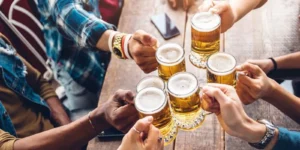
The morning after drinking can bring physical symptoms, missing pieces of memory and a brutal replay of everything you might have said or done. Anxiety after alcohol is real, and repeated mornings like this are worth paying attention to.
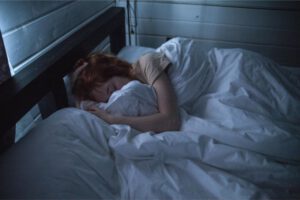
Finals culture treats sleep like an optional luxury you can borrow against. Your brain is less impressed by the tradition. Protecting sleep is not laziness; it is part of how attention, mood, learning and basic functioning stay online.

The all-nighter is treated like a weird academic rite of passage. Your brain, unfortunately, did not sign the tradition agreement. Sleep loss can hit attention, mood, judgment and learning at exactly the moment you need all four.

College wellness culture can make harmful eating and exercise patterns look disciplined, clean or aspirational. Eating disorders do not have one body type, and appearing “healthy” does not tell you what someone’s relationship with food has become.
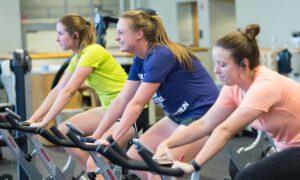
The college gym can be a place to feel stronger, clear your head and build routine. It can also become another room where you learn to treat your body like an unfinished group project.
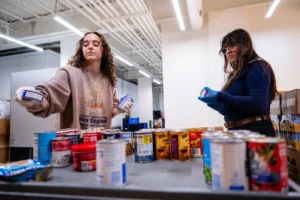
It is hard to concentrate on a lecture when part of your brain is calculating whether the groceries need to last until Friday. Food insecurity is not a budgeting personality defect. It is a basic-needs problem with real mental-health consequences.

Being a good friend does not require becoming someone’s 24-hour therapist, emergency service and reason to stay alive. Peer support works better when care, boundaries and backup exist at the same time.